Digital Corps Voice

Quick Tip!
The Digital Corps’ voice impacts how its target audiences view the Corps, so it’s important to be consistent across platforms. Frequently read the Corps’ social media and blog content to become familiarized with the consistencies in its voice.
Helpful Staff for this Topic

The Digital Corps has a specific voice, or way of using language, to showcase its brand. Voice is important because it impacts how everyone, including industry professionals, alumni, and students perceives the Corps. Paying special attention to voice helps the Corps present itself as one cohesive organization across various platforms.
How does the Digital Corps want to be perceived online?
The Corps’ strives to present itself as a group of student professionals and young creatives who are intelligent, innovative, and friendly. Its online presence should reflect the nature of its amicable office culture while also fostering professionalism to assure it resonates with all of its audiences—industry professionals, alumni, and students.
What is the Corps’ voice?
The Corps’ voice is passionate, friendly, intelligent, and professional across all the social media platforms and the blog, but the Corps’ voice adapts slightly to fit the target audience of each platform.
The Corps’ social media and blog content should reflect the core value of “being the best and striving to be the best,” but the Corps’ voice needs to showcase our talents in an approachable way rather than in an pretentious or overbearing way.
How does voice change across platforms?
The Corps’ voice should remain consistent across its social media platforms and the blog, but it should adapt, leaning into certain characteristics more or less, depending on the platform.
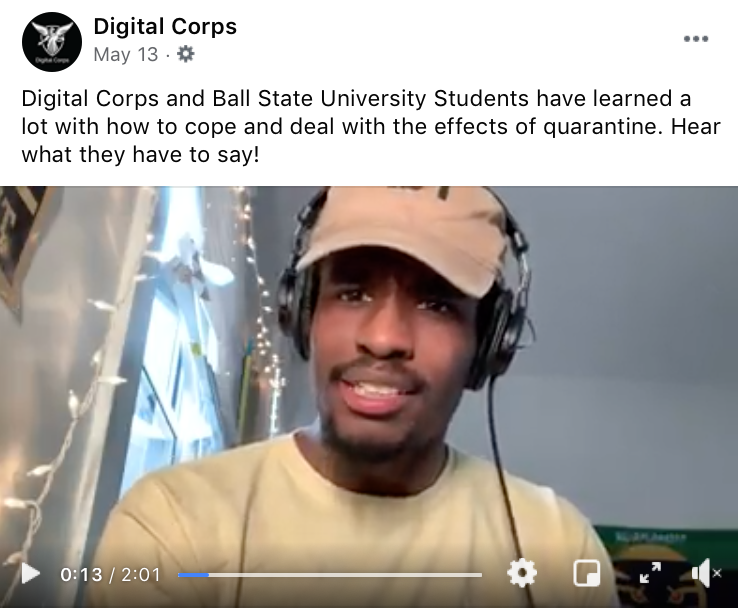
The Corps’ Facebook content appeals to students’ families, so the Corps’ voice should lean toward its friendliness. Here are some examples:


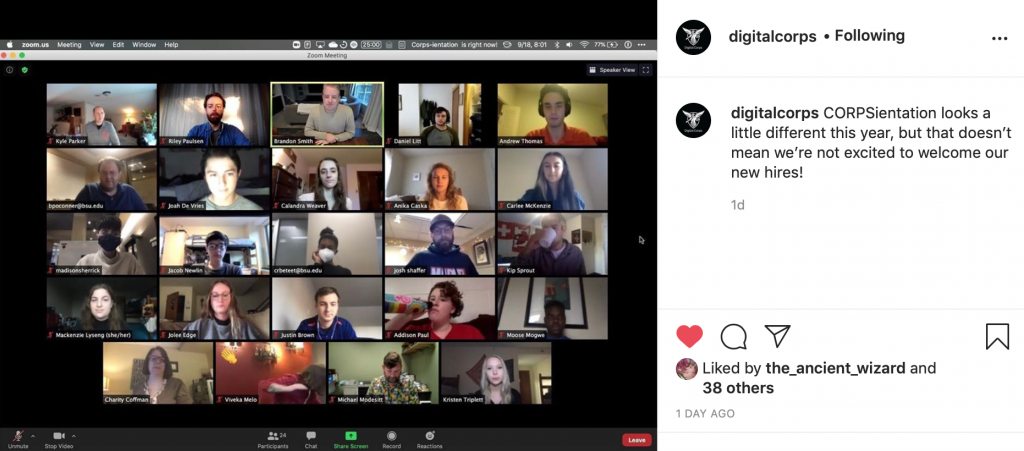
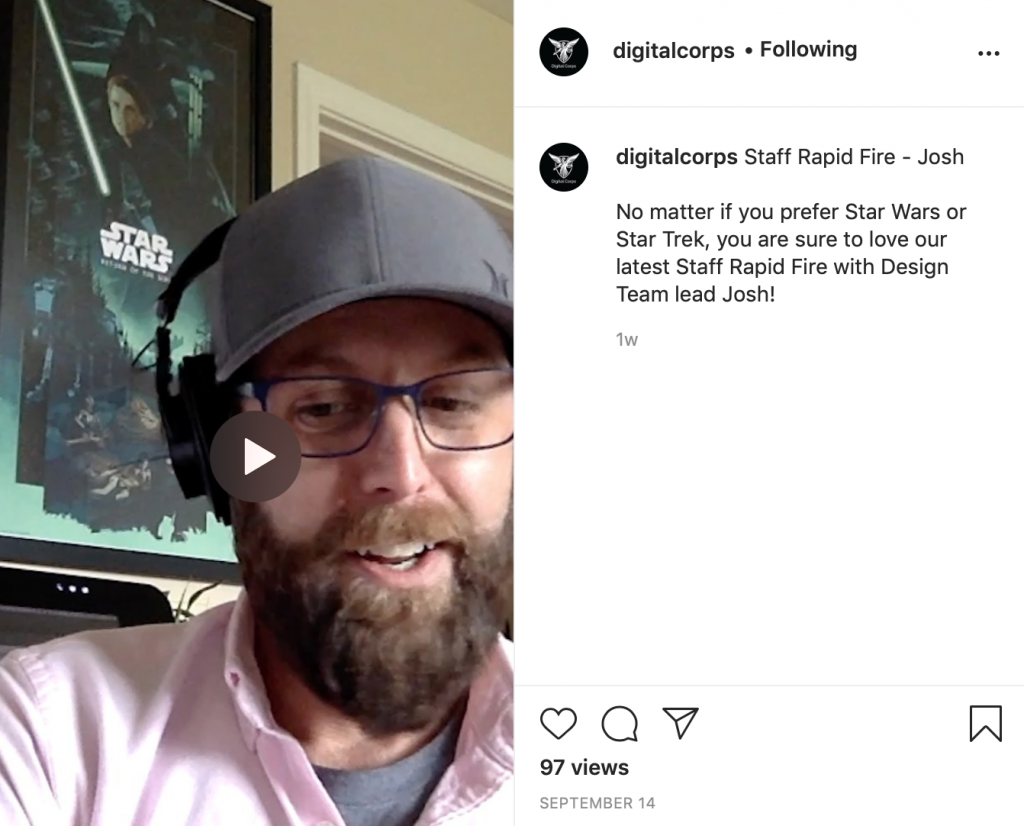
The Corps’ target audience on Instagram is younger, so the voice is a balance between fun and professional. Here are some examples its balance:
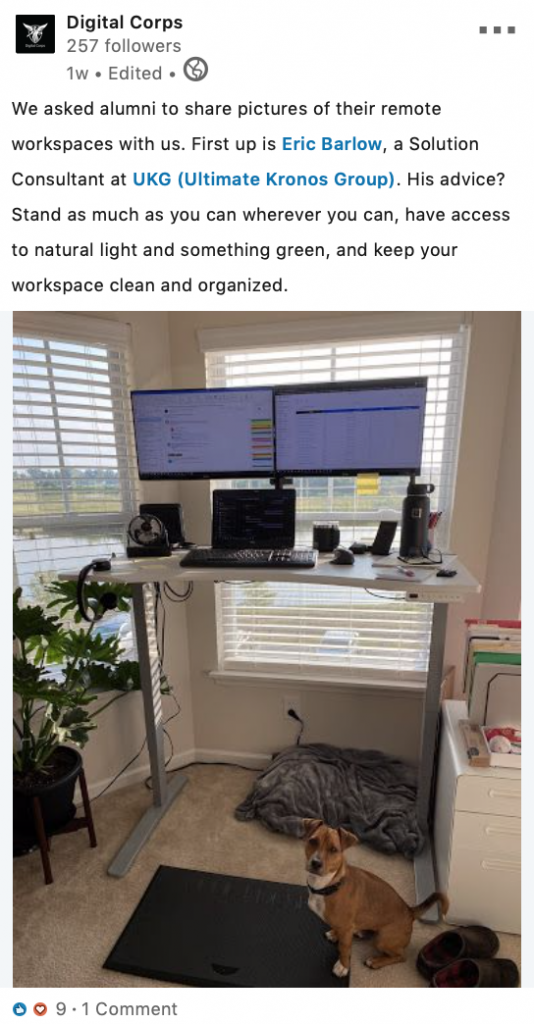
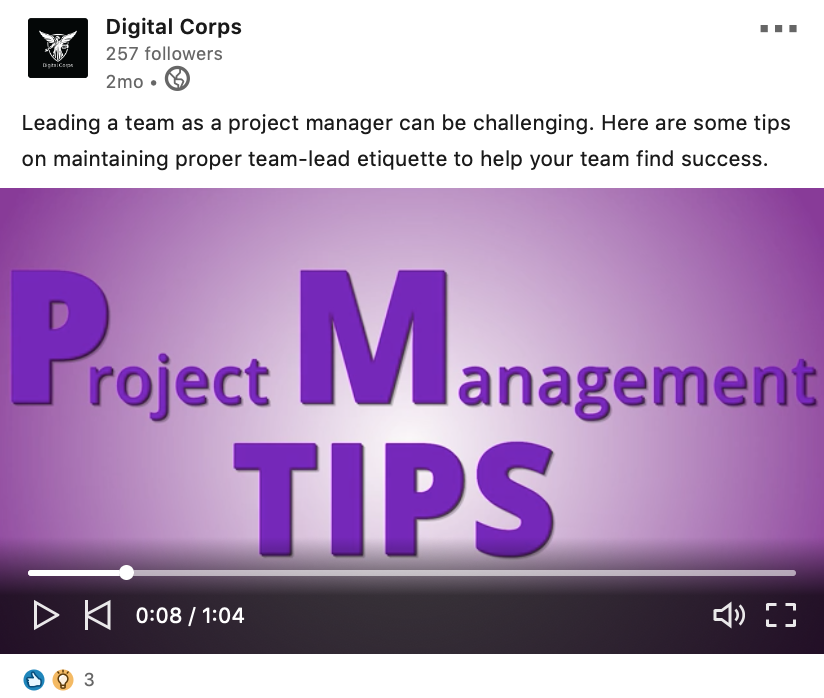
LinkedIn is a social media platform that allows professionals to network, so the Corps’ voice needs to lean on its professionalism more on LinkedIn than it does on the other social media platforms. Here are some examples that show how the Corps’ voice focuses on professionalism without sounding robotic:
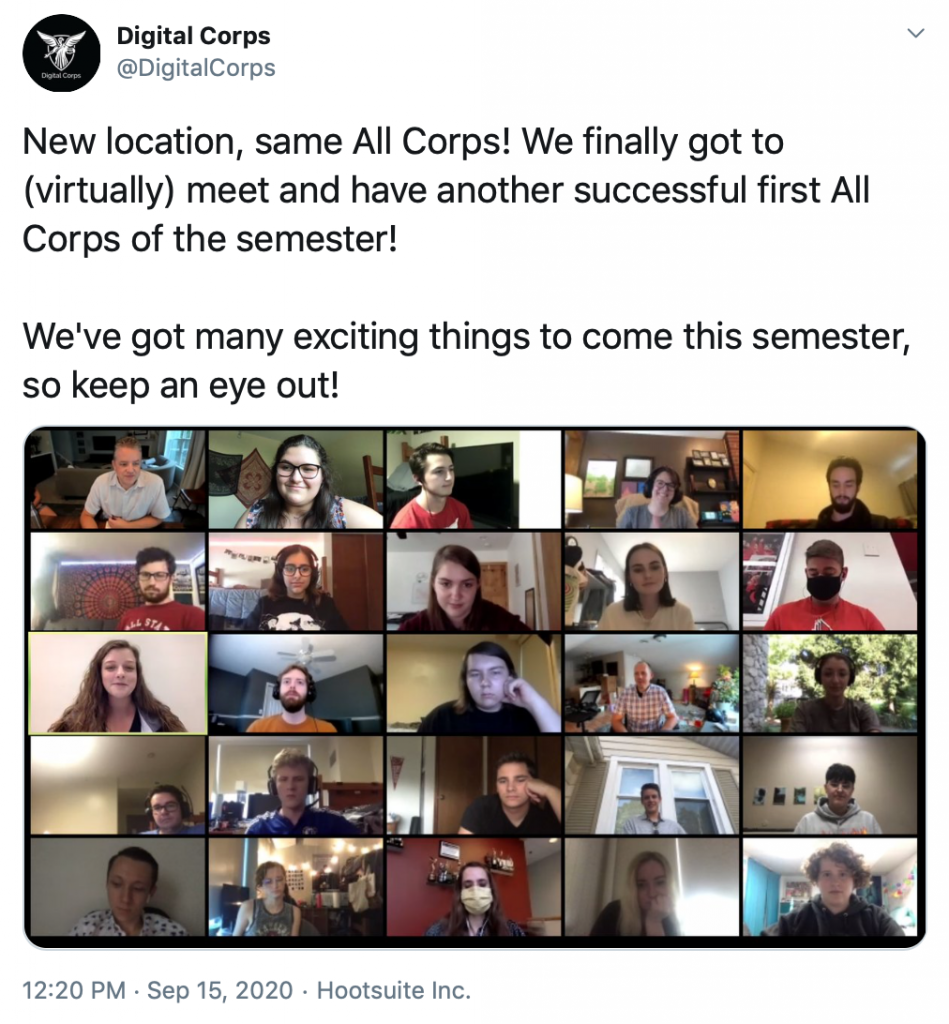
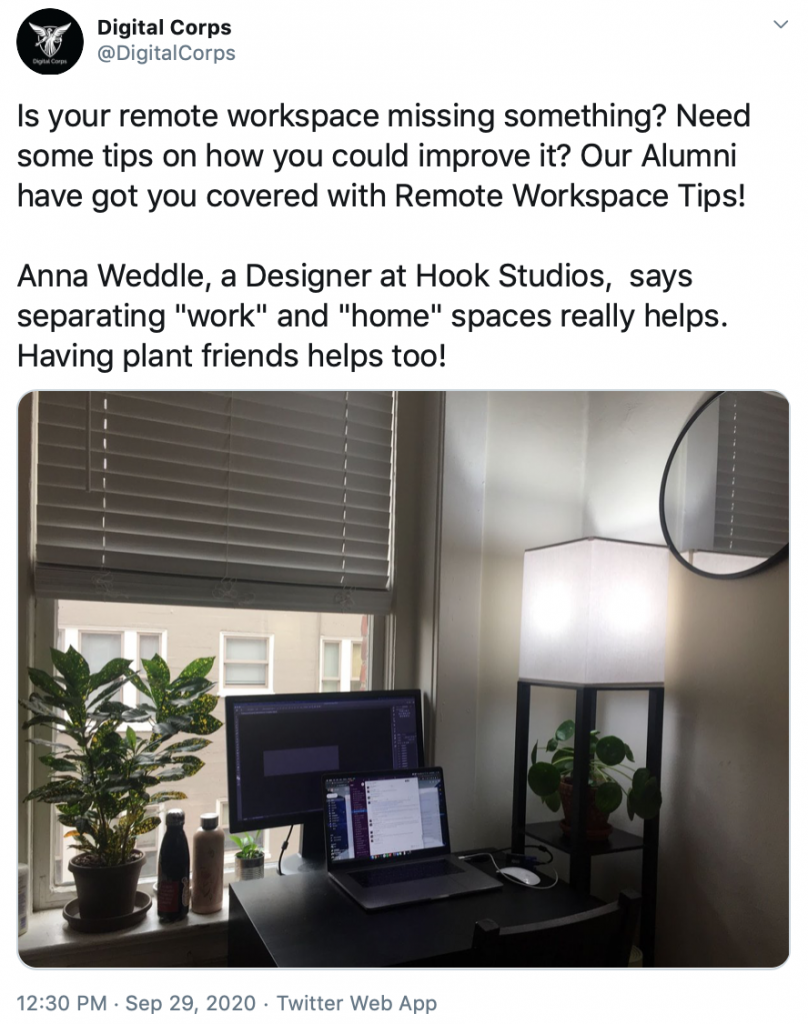
The Corps’ Twitter audience is younger than the other platforms’ audiences, making the voice more fun and casual, but it still needs to focus on professionalism. Here are some examples showing how the Corps can be both fun and professional:
Blog
On the blog, the Corps’ voice is professional because of the research and the longer form. Here are some blog posts that best illustrate the Corps’ voice:
- Back to Basics: This blog post has a more casual tone, since it’s about a basics workshop that focused on learning the basics of what other teams do. However, the blog still heavily ties into the Corps and the seven Corps values.
- Happy Secret to Better Work: This post mixes styles of writing and ties in outside sources combined with Corps interviews.
- Discovering Our Strengths: This post has a professional tone and starts with a broader discussion about psychologist Don Clifton before narrowing into how his ideas were incorporated into the Corps.
The Corps’ voice needs to resonate with various audiences, so it’s important to be both entertaining and professional. The Comm Team Lead or Master can answer case specific questions about how to use voice in an upcoming social media or blog post.
